

On 21 March 2026, Trees South Africa hosted its Market Day event, Tussen Boom en Bosch, at our nursery in Stellenbosch, bringing
 Read More
 At Trees South Africa, we kicked off the year with a powerful motto: Lifelong Learning and Sharing Knowledge. With this in mind,
From the quiet shade of a private site in Fresnaye to the open lawns of a beloved public park in Green Point,
They say…”Blessed are those who plant trees under whose shade they will never sit.” Well… let us bless you with trees under
Why don’t you “leaf a legacy” and rather plant a living tree this year? Here are some great Christmas tree ideas that
Treescaping for urban spaces with mature trees. Written by Suzanne-Francoise Rossouw-Moss Released in Prolandscaper Africa, February 2020 Edition. In August 2018, we
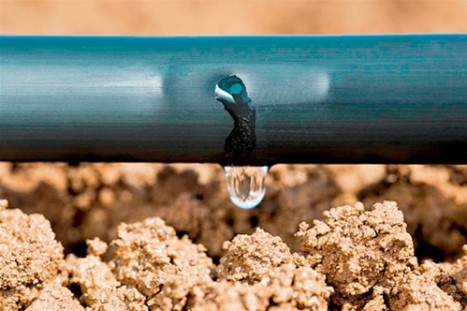
WATERING – This is the most important factor in tree care. Water can be applied manually, or via dripper pipe controlled
We know chemistry is not everyone’s cup of tea. And pictures speak a thousand words. Here’s all you need to know about
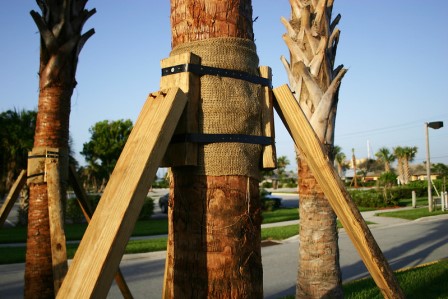
Only stake if necessary… Studies have shown that trees establish more quickly and develop stronger trunk and root systems if they are
The following article was published in the Prolandscaper Africa September 2019 edition. Click on the image below to read the edition for
Your newly planted tree is our priority. We want to see it grow and flourish, but sometimes it can be susceptible to
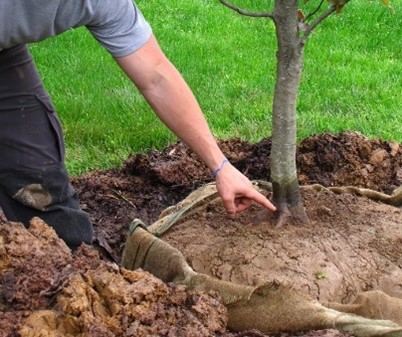
The relocation of large and mature trees has come a long way during the past 20 years in South Africa. We can
Selecting a tree for any garden is a life time decision and will greatly improve the appearance and the value of any
Prolandscaper March 2019 edition focuses on Water in the Landscape and we have provided some insight into which trees are “water smart”.
South Africa is known for its beautiful coastline, but with this comes quite harsh windy and salt spray conditions for our plants
Whether it is for contrast or to blend in, for colour, height similarity or difference- trees are selected for unique and differing
Prospective clients always wonder how the process works when they want to purchase and plant a mature tree. In this video we
Our September 2018 contribution to the prestigious Prolandscaper SA magazine has us providing top tips for tree transplanting. Read the full article on the
Our owner, Dag Willems, discusses the concepts and challenges relating to “Treescaping” – a new specialization within the discipline of Landscaping. Read
In the current drought situation many of the softer plant varieties have not been able to survive the lack of water. The
We all know that the rings on a tree trunk show the age of the tree, but what exactly are those rings
Get a bird’s eye view of our Stellenbosch Tree Farm Nursery in this short video. We’d love to share our mature tree
The beautiful Coral tree is well known for its bold red and burnt-orange flowers in winter time, but some of our clients
Media release from SALI: https://www.sali.co.za/creating-a-resilient-green-industry/ ALL green areas – whether planted landscapes, wild areas, or a road verge with weeds – contribute to
Our Nursery – Aerial Footage
Introduction Hedges have been part of gardening for centuries and were originally planted around crop fields. In the modern living the garden
In the South African garden, conifers can be seen as real assets as they come in all shapes and sizes, can be
Containerised trees are a wonderful option if you only have a small garden, patio or balcony to grow your trees. It is
Landscaping with trees around a swimming pool is never an easy task as you need to make sure you plant something that
Poorly drained soil and gardens with a high-water table can become saturated with water at certain periods during the rainy season. When
In the modern urban environment, most home owners do not have as much open garden space as 20 years ago. Planning is
What are Red Spider Mites? They are tiny insects (hardly visible to the naked eye) related to spiders and ticks. When do
During a drought, water restrictions can prohibit your tree from receiving sufficient water if you don’t have a borehole or non-potable water
