
Introduction
Hedges have been part of gardening for centuries and were originally planted around crop fields.
In the modern living the garden can be viewed as an extension of the home and hedges form an integral part as the back bone by giving structure to the garden. The character of the garden can also be defined when making use of either formal or informal types of hedges.
Most hedges are planted with a specific purpose in mind as they can define the boundary between two neighbours; provide a screening for privacy, provide shelter for crops, shade for softer plants and to create a wind and or noise filter for the garden.

Formal Hedges
In a formal setting, hedges will be a simple form of topiary requiring regular trimming to maintain the shape. Trees that work well as clipped hedges are Afrocarpus falcatus, Afrocarpus latifolius, Carrisa bispinosa, Searsia crenata, Cupressocyparis leylandii, Diospyros whyteana, Ilex mitis & Syzygium paniculatum.


Informal Hedges
Informal hedges are less maintenance and are very often more colourful. For this type of hedge, you can plant anything from a Hibiscus sp.to an Quercus specie.
Hedges can be created out of one or several species of plants. Using a variety of species, it makes possible to create interest at different times of the year as deciduous and evergreen trees can be utilised. Curtisia dentata, Ficus microcarpa (nitida), Ficus microcarpa var. Golden King, Photinia × fraseri ‘Red Robin’, Liquidambar styraciflua, Melaleuca alternifolia, Podocarpus henkelii, Viburnum sinensis & Viburnum tinus.
Security Hedges
One of the wonderful aspects of planting a hedge is that you can create a living barrier instead of just building a permanent fencing structure or a wall. The plants might take 2 to 3 years to be come well established, but once fully grown will create a virtually impenetrable barrier. Very often it is better to use species that have long spines for this type of barrier and a wonderful option to consider would be Punica granatum ‘Bhagwa or Dovyalis caffra.


Coastal Windbreaks
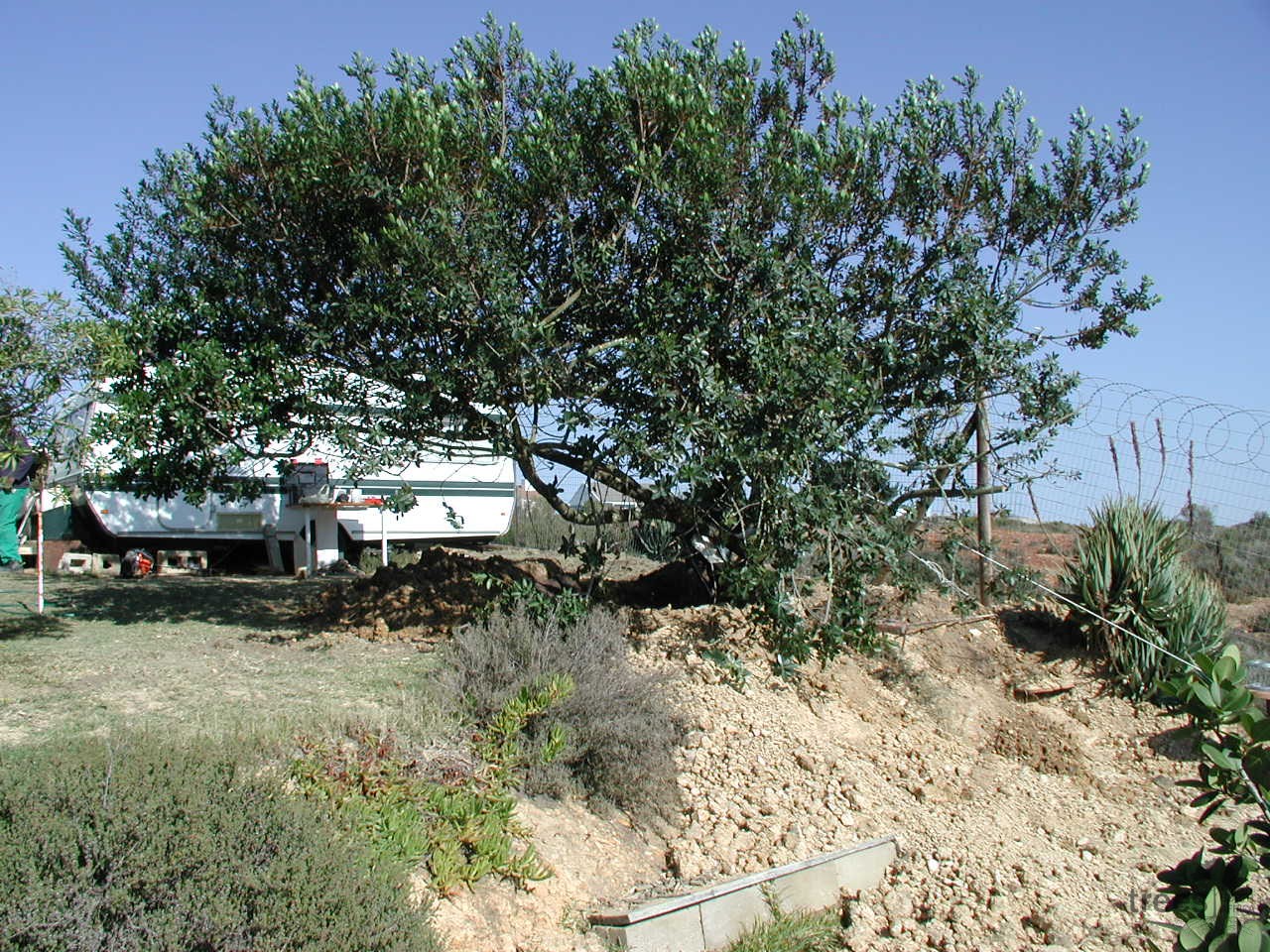
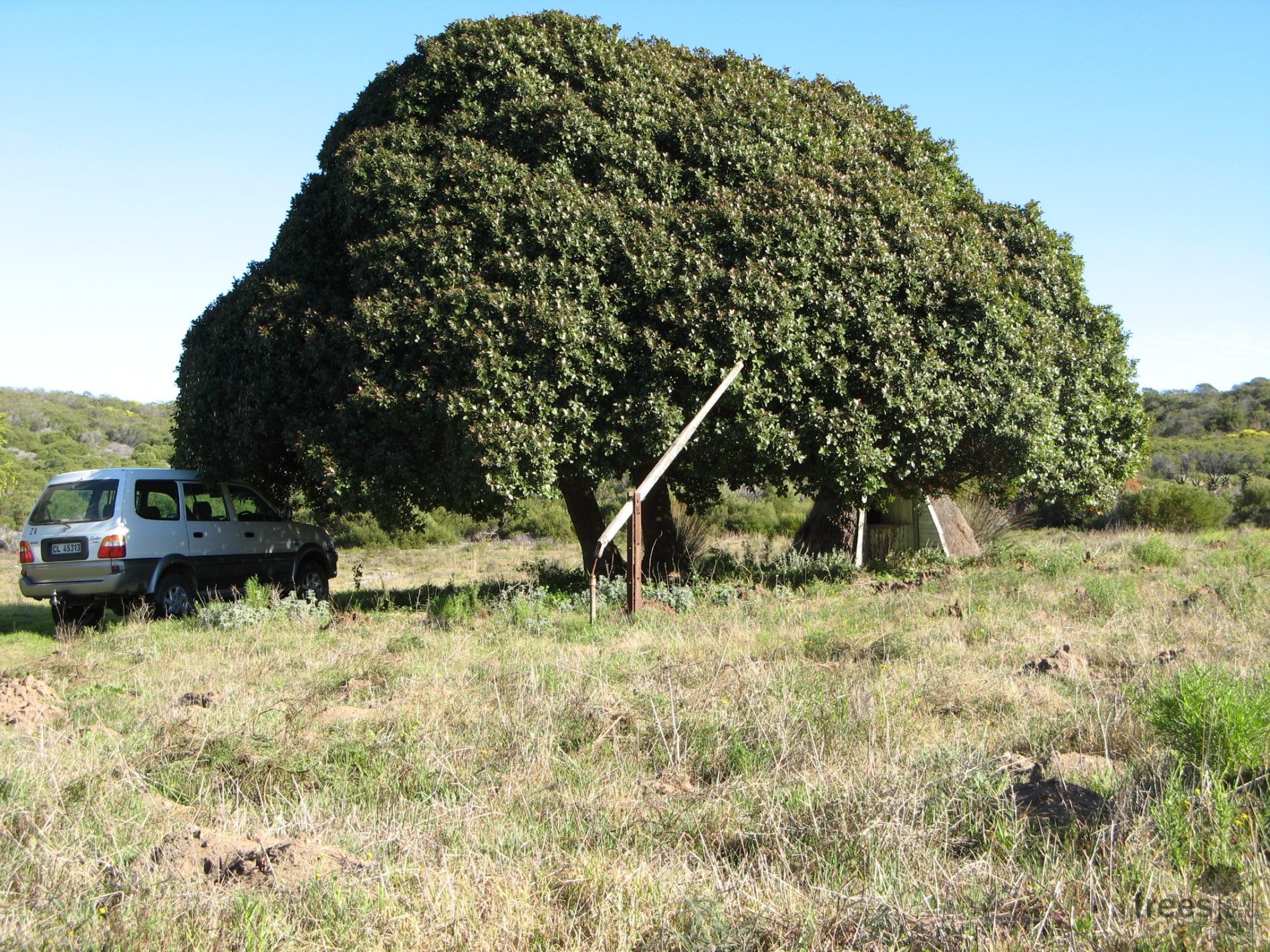
In coastal areas windbreaks are always an essential part of the garden layout. The selection of species will depend on the severity of the wind exposure they will be subjected to as well as the size of the garden. Species that work well are Metrosideros excelsa variegata, Brachylaena discolor, Buddleja saligna, Buddleja salviifolia, Dodonaea angustifolia, Sideroxylon inerme & Tarchonanthus camphoratus



Have a look at the Prolandscaper May 2018 edition where they focussed on hedging in the Nurture section. Read more below.